 Chat via WhatsApp
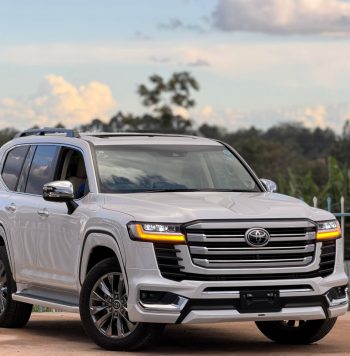
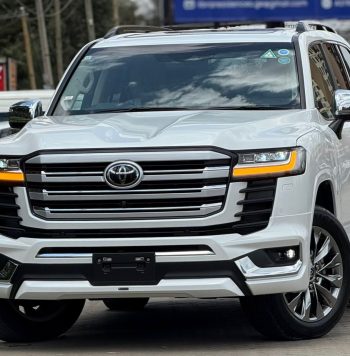
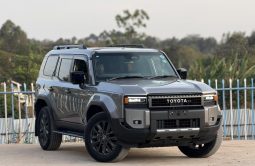
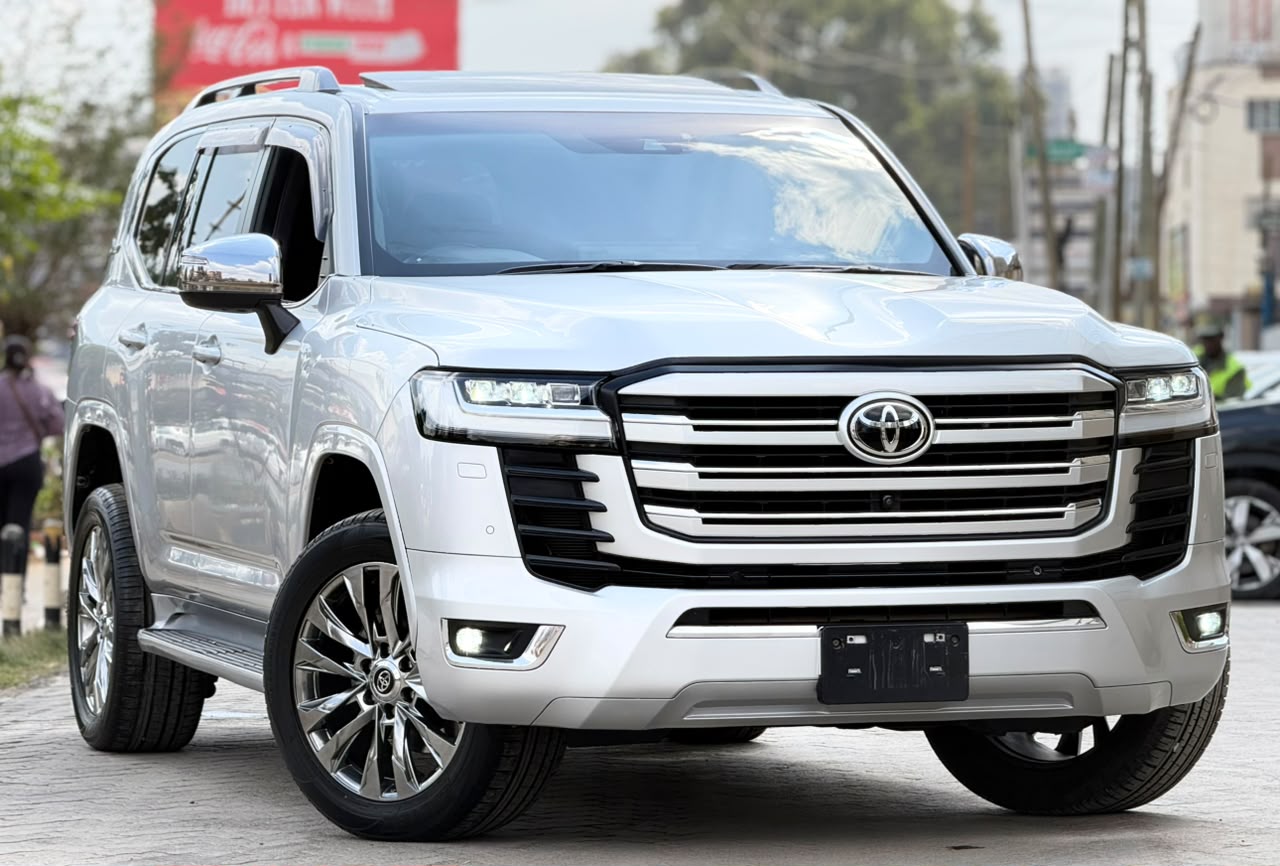
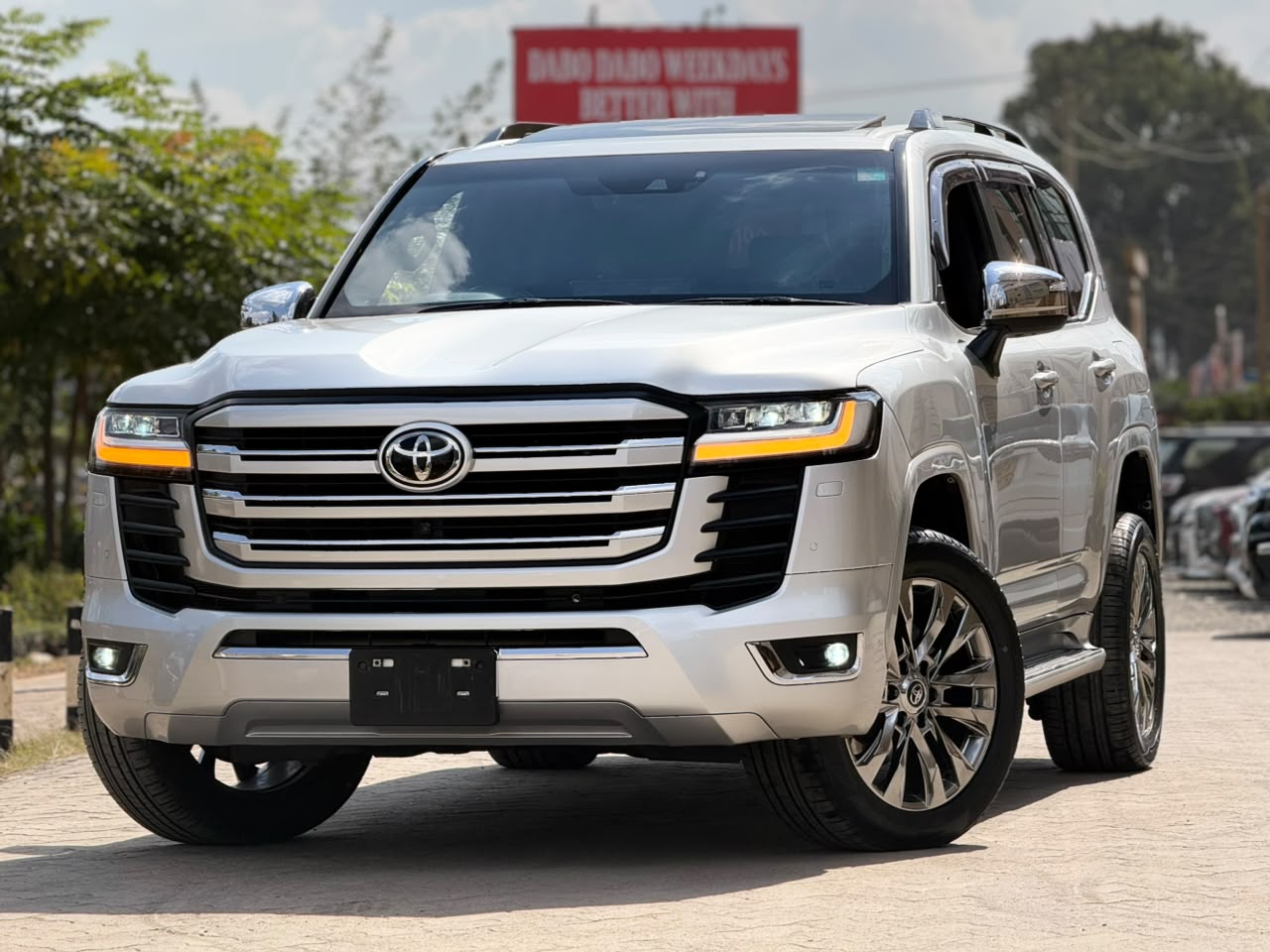
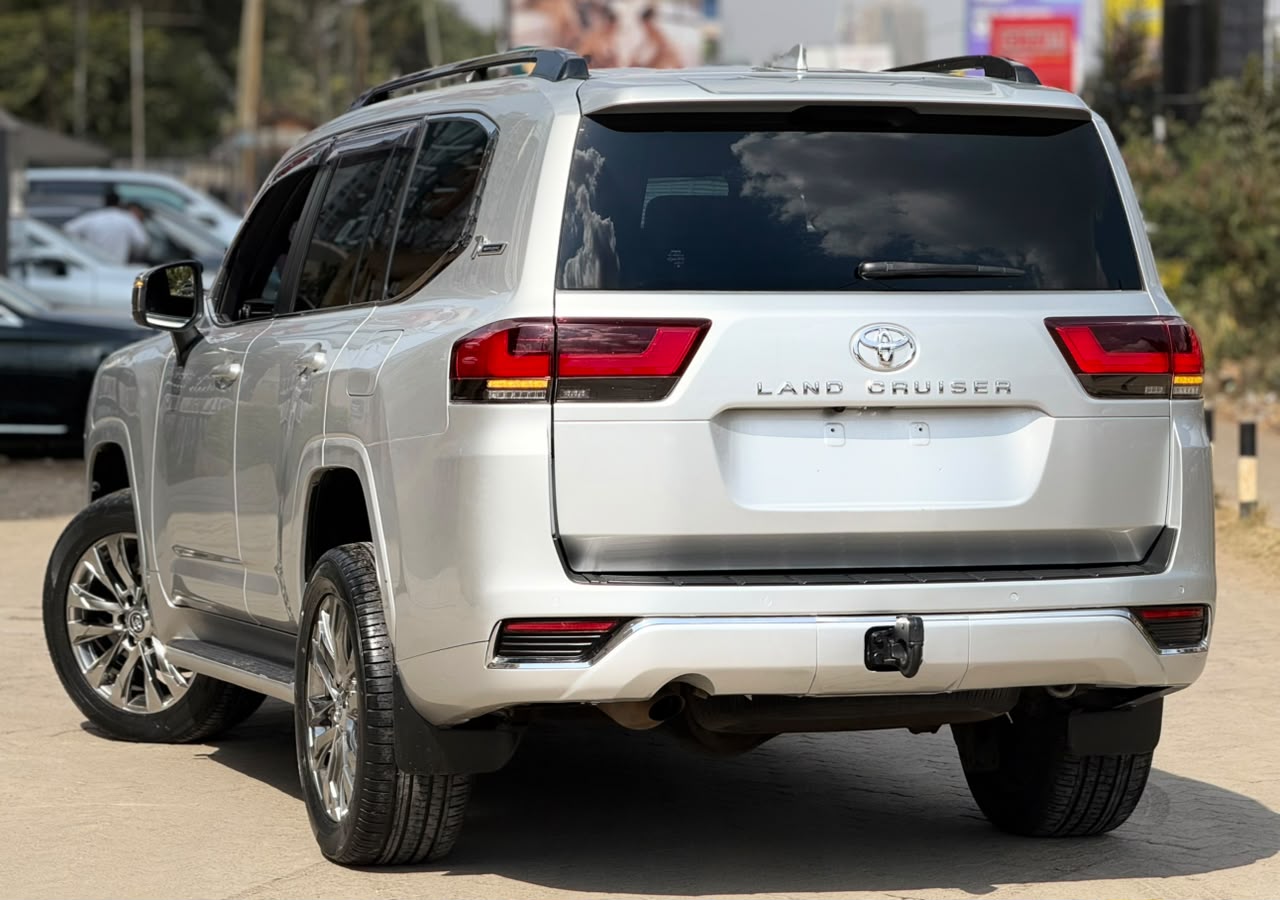
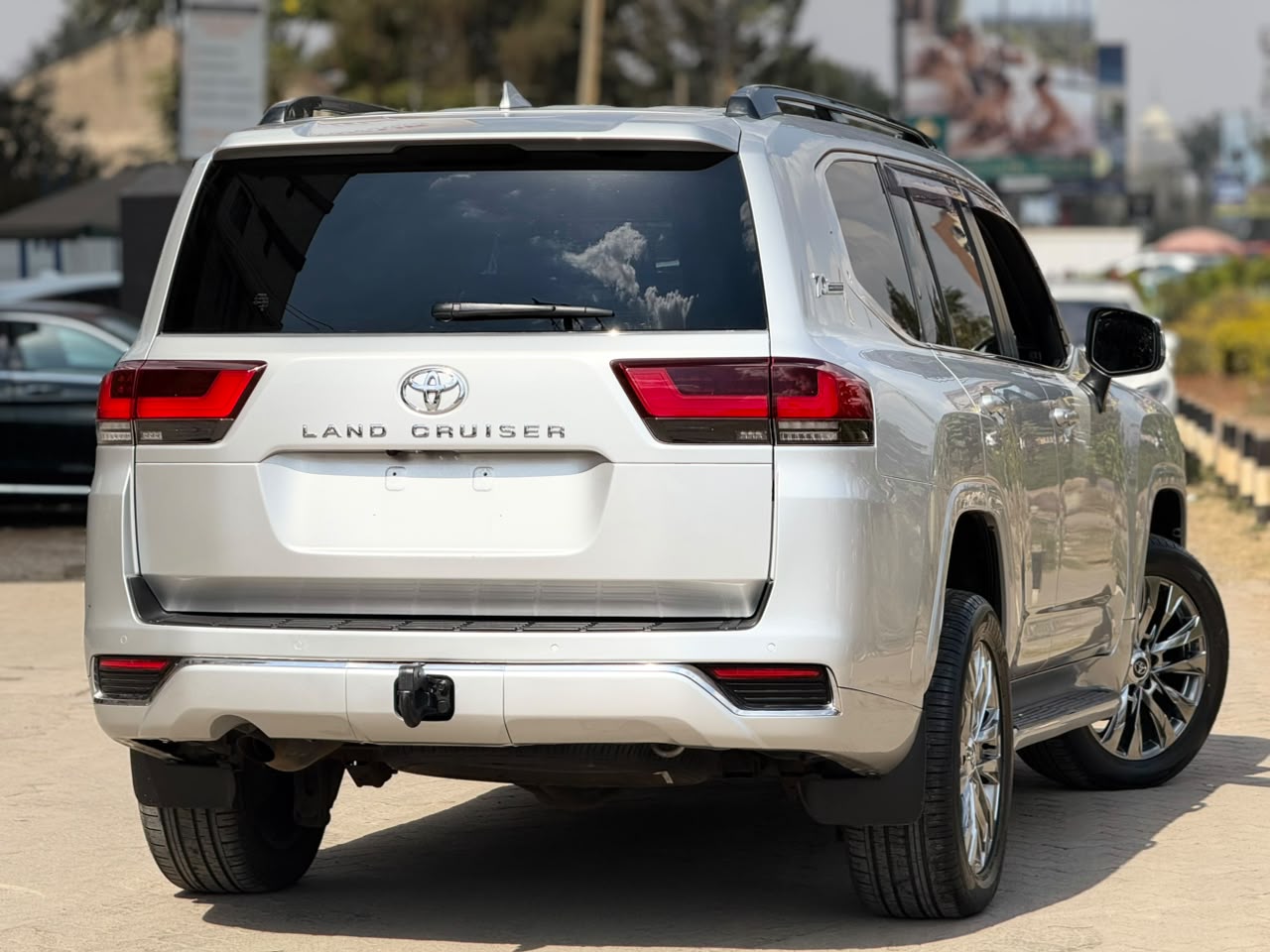
Toyota didn't just update the Land Cruiser for this generation, they rebuilt an icon under enormous pressure to get it right, and stepping back from this one in pearl white, the result speaks for itself. The vertical LED signature running through the grille and headlamps is a deliberate break from the horizontal, boxier face the 200 Series wore for over a decade, a shape that reads as genuinely new rather than a facelift stretched over old bones.
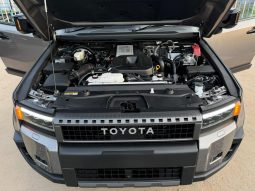
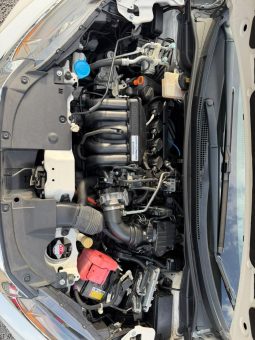
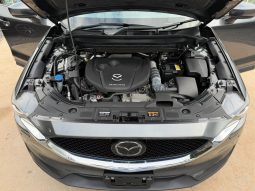
That 3.3 litre twin turbo diesel V6 replacing the old naturally aspirated V8 was the most contested decision in the car's history, and on paper it looks like a downgrade, fewer cylinders, smaller displacement. In practice it's the opposite: more torque, better fuel economy, and a 10 speed automatic that keeps the engine in its sweet spot far more precisely than the old six speed ever could. For buyers who cross shop this against a Prado or even an LX, the diesel V6 is the reason the LC300 pulls ahead rather than just coasting on badge reputation.
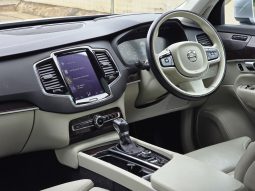
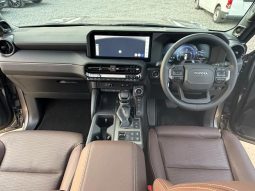
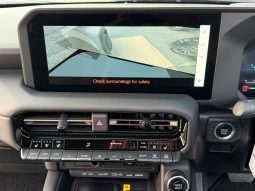
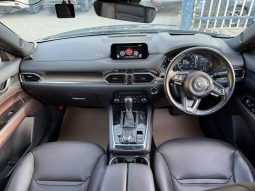
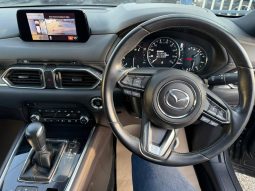
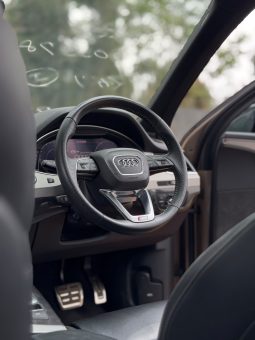
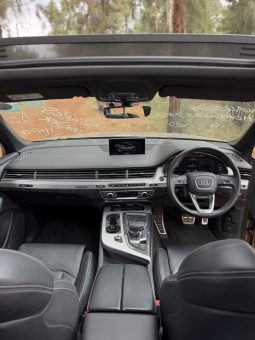
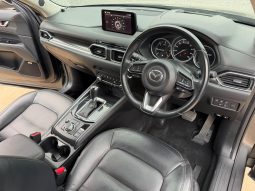
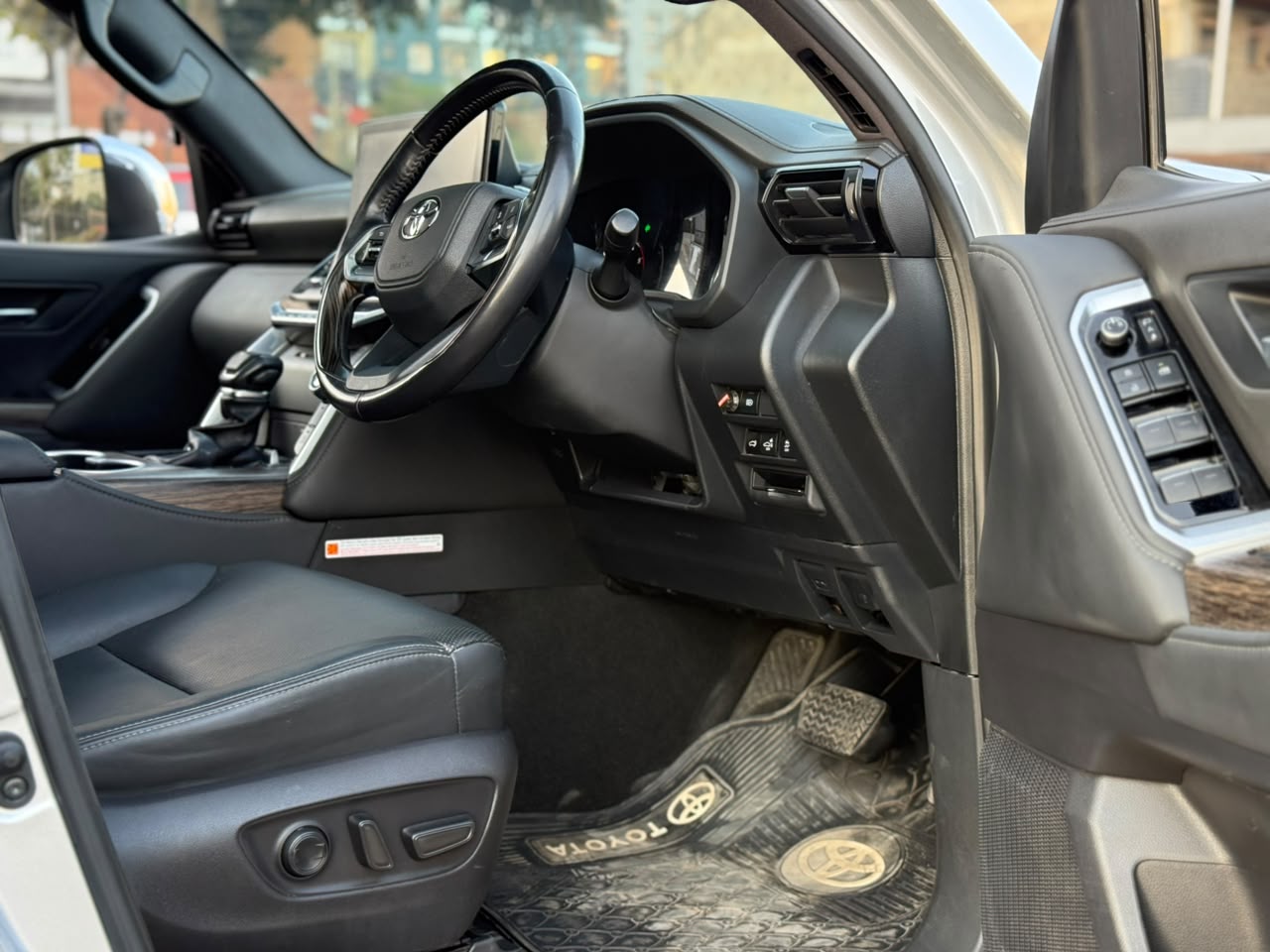
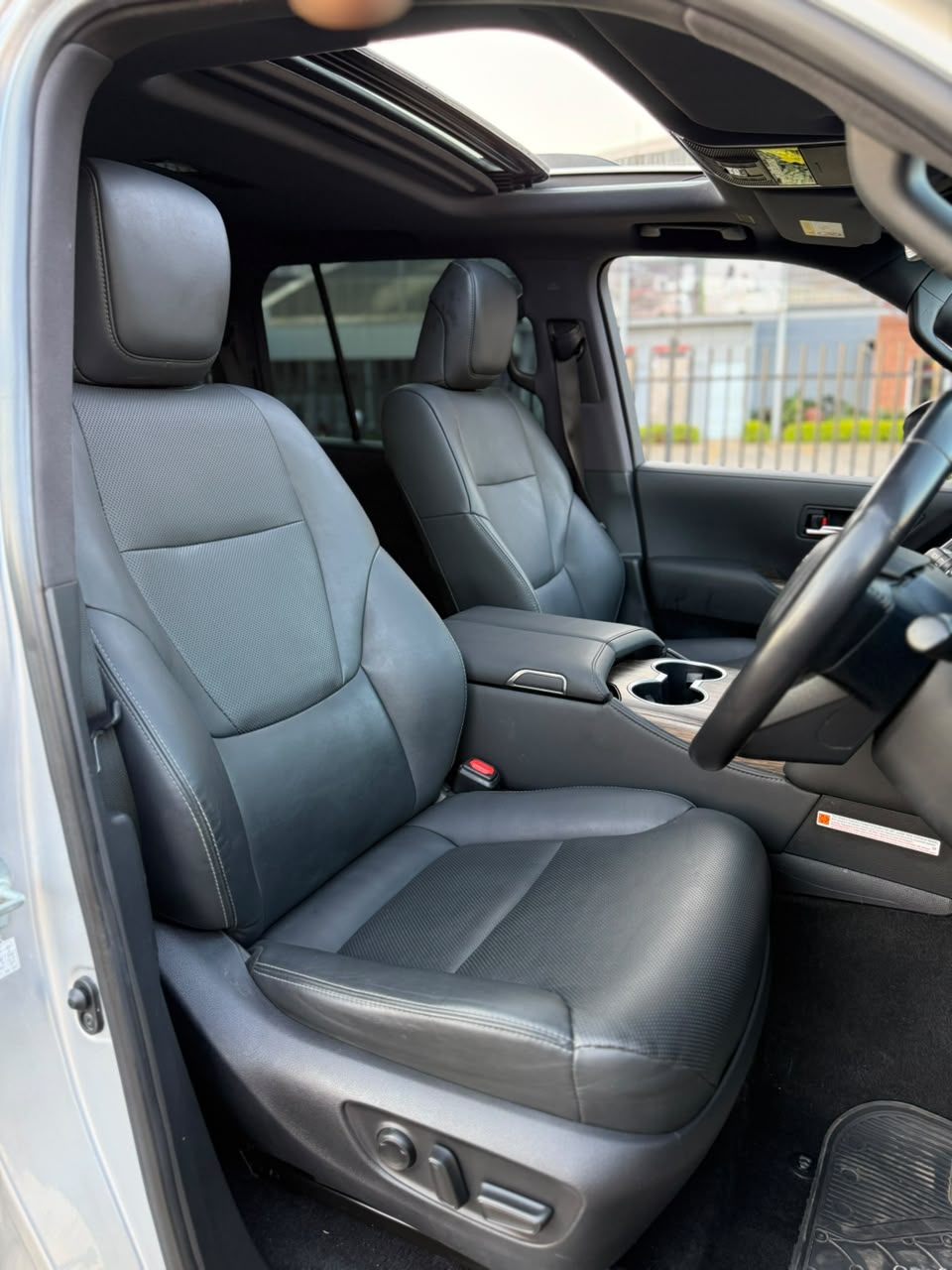
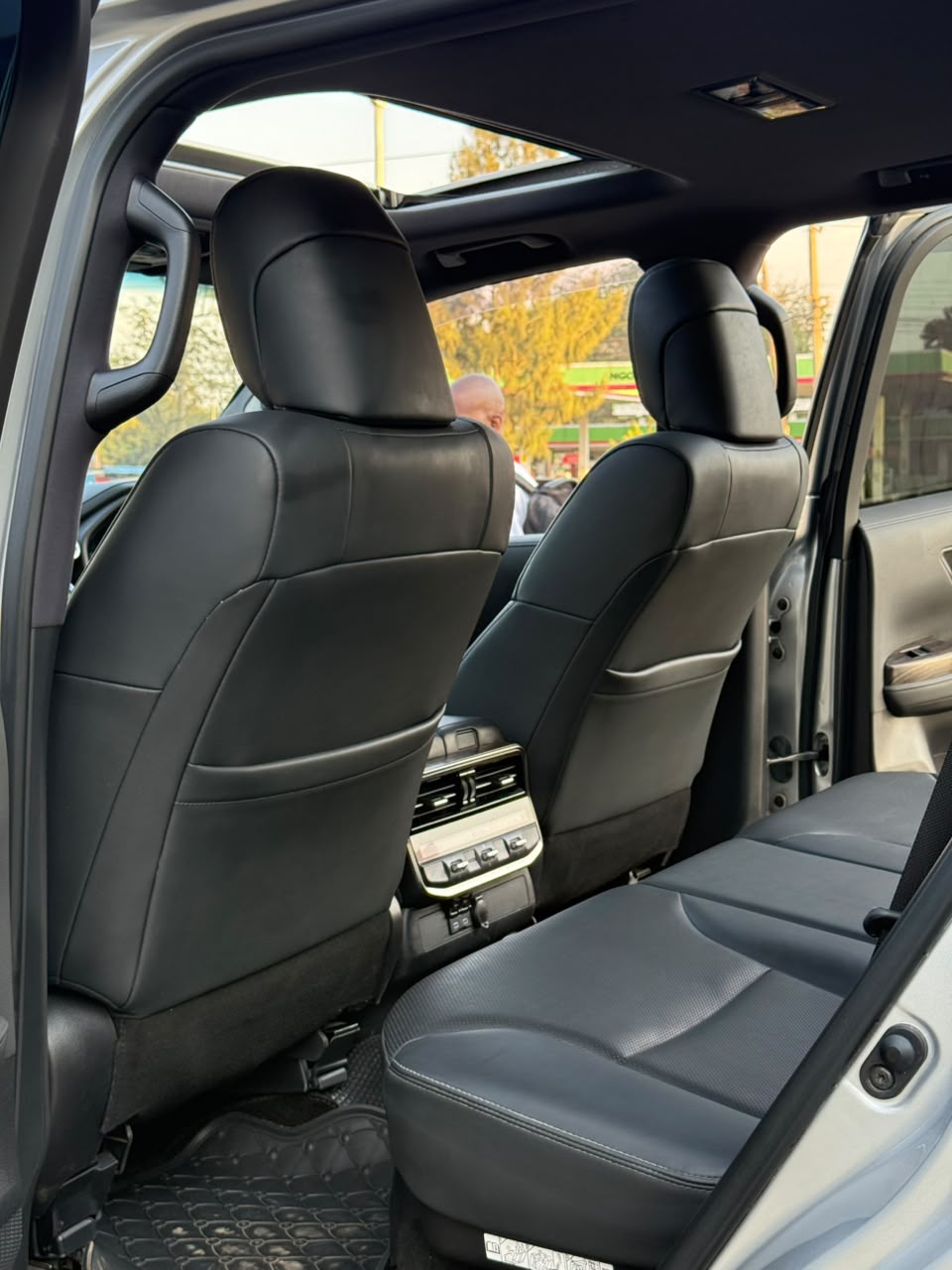
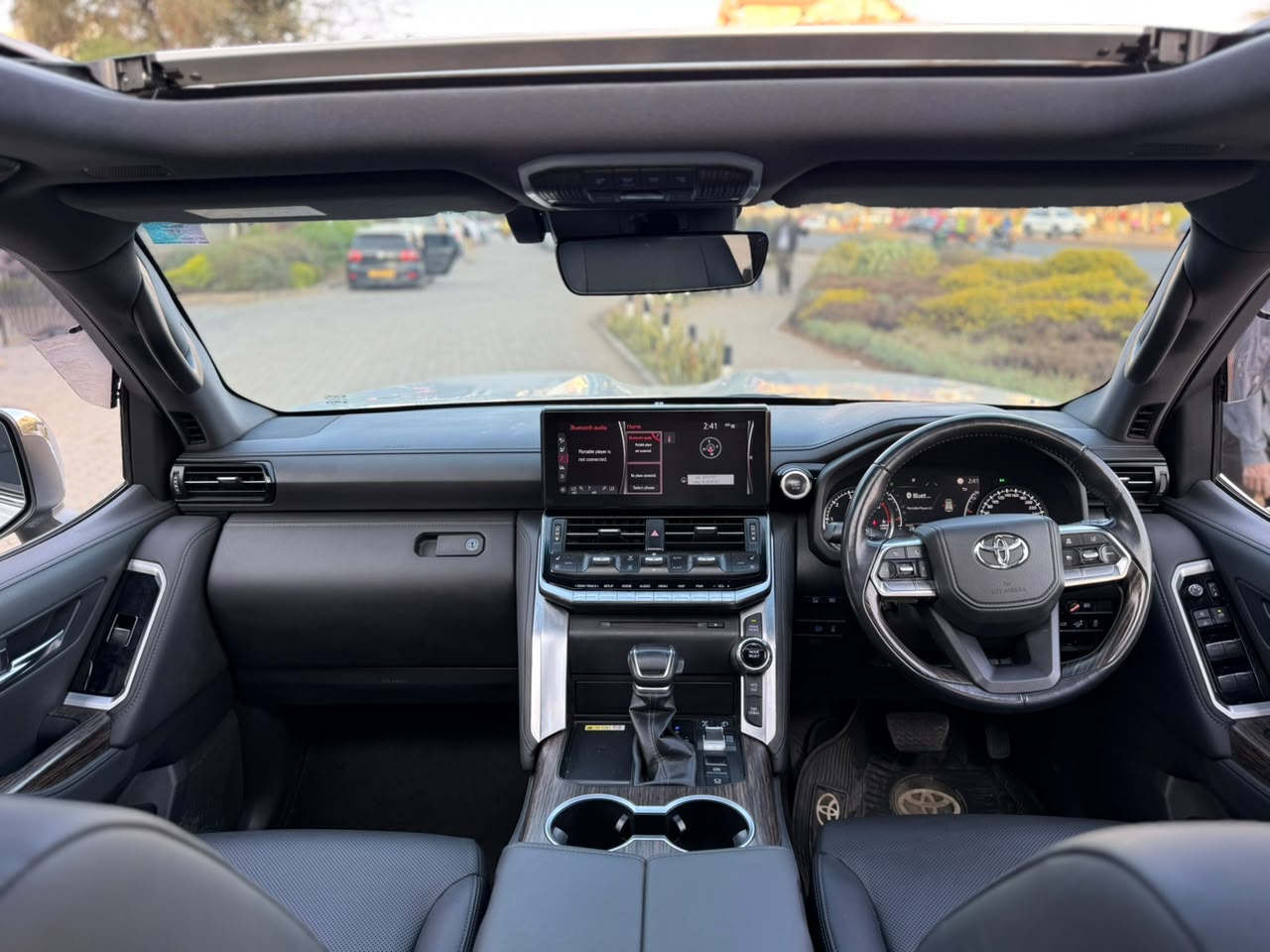
Inside, the sunroof floods a cabin that's finally shed the old generation's dated switchgear in favor of a properly modern digital cluster and a floating touchscreen that doesn't look bolted on as an afterthought. The quilted leather seats carry through the same restrained luxury the exterior promises, supportive rather than showy, built for the eight to ten hour drives this vehicle is actually bought for rather than a five minute test drive around the block.
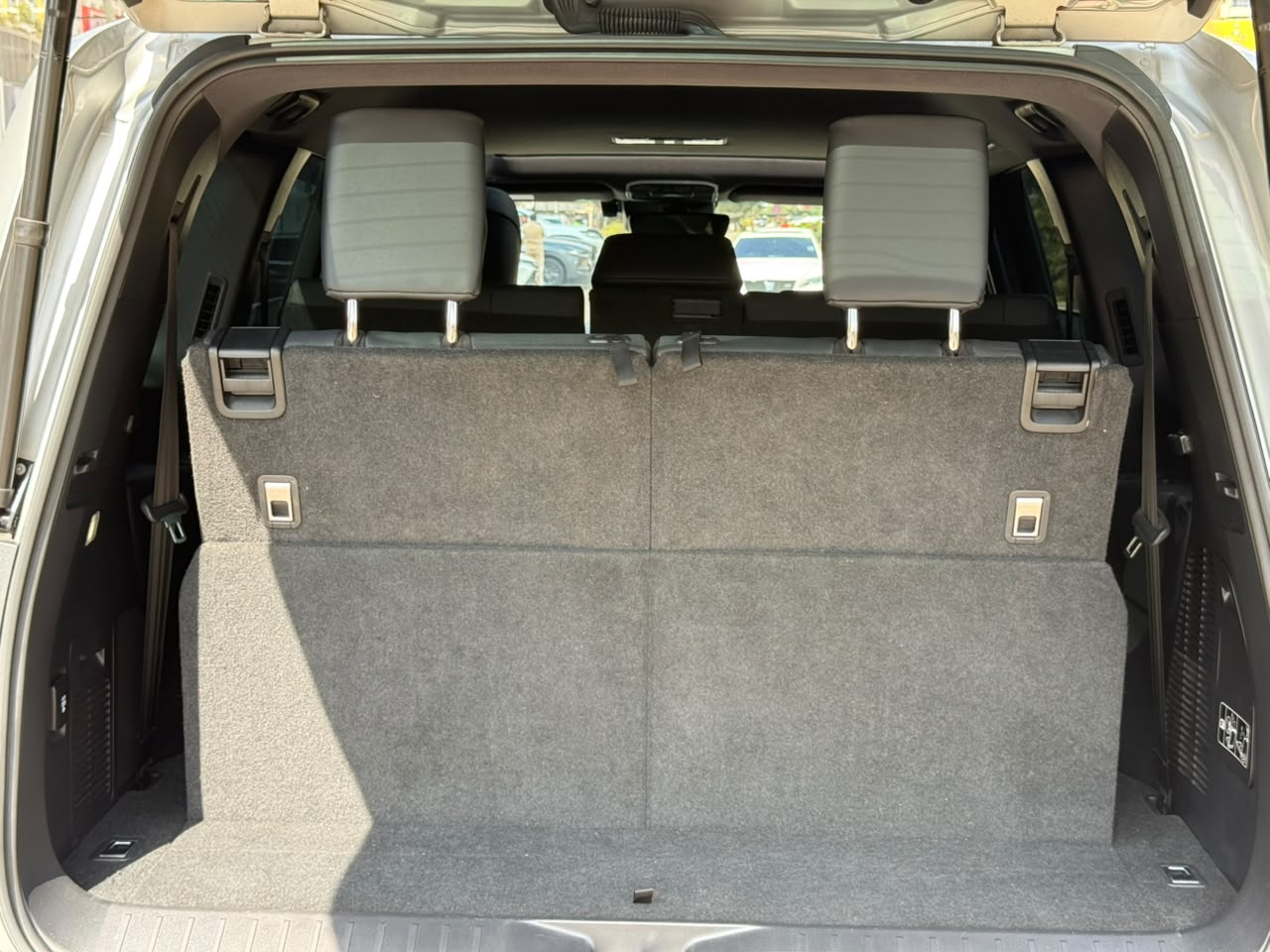
Where the boot tells its own story is in just how much usable space survives even with the rear seats up, a genuine week's worth of luggage for a family without folding anything down, which matters enormously for a vehicle whose real job, upcountry trips, safari runs, long distance family hauling, has never really changed even as everything else about it did.