 Chat via WhatsApp
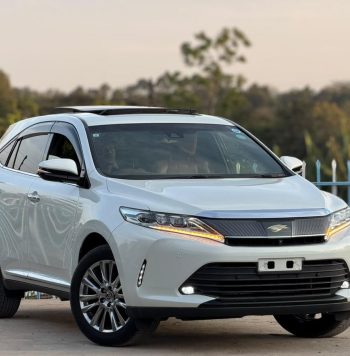
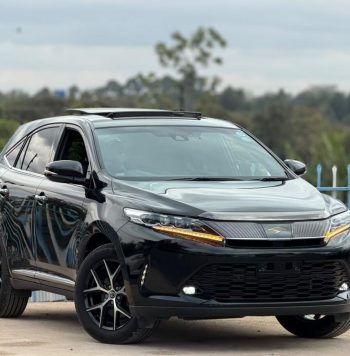
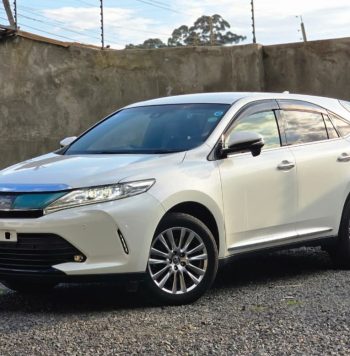
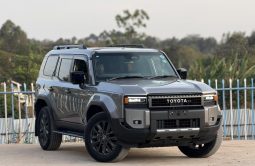
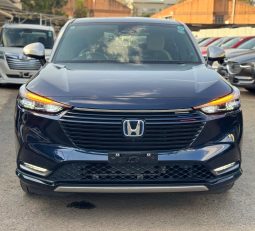
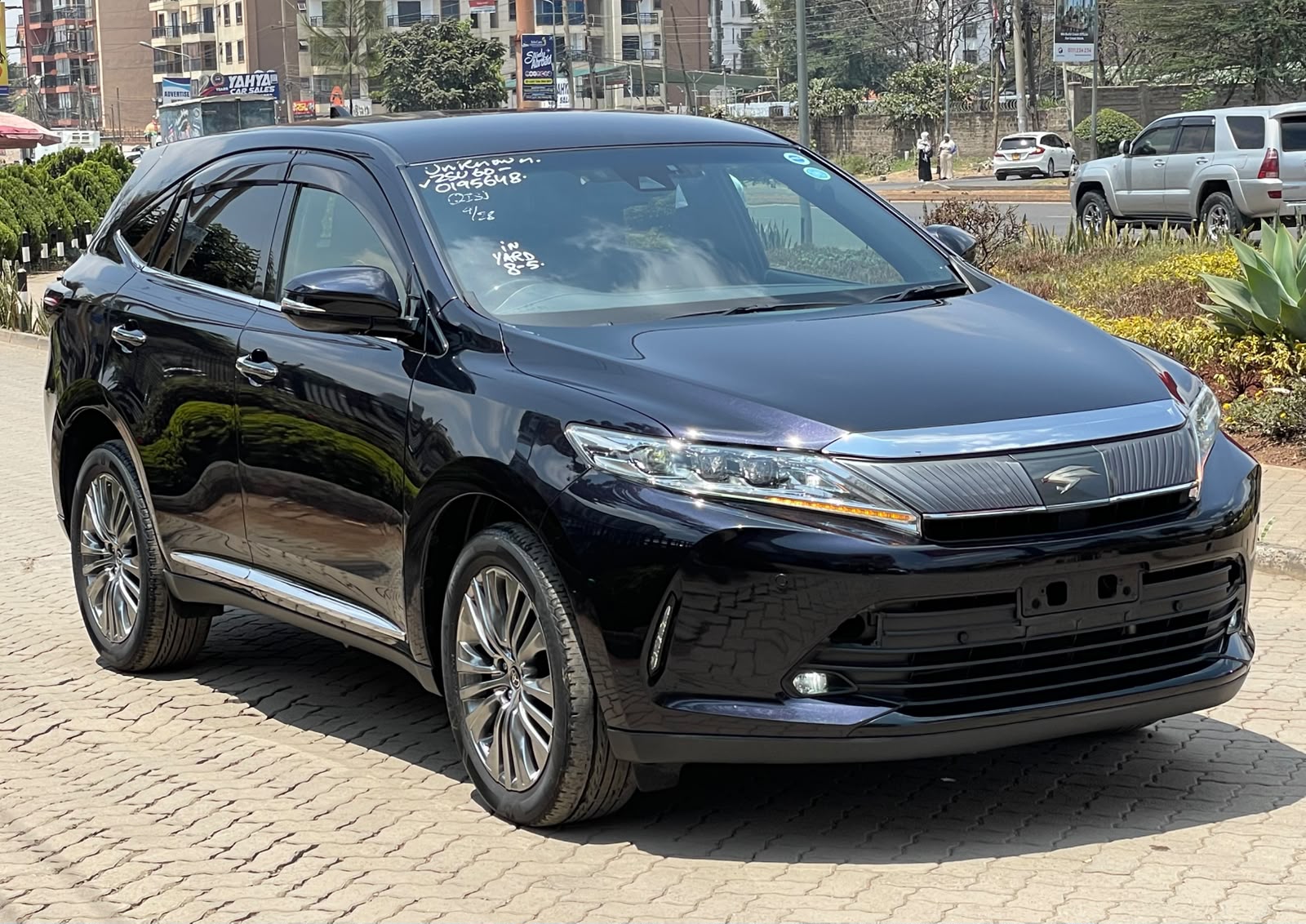
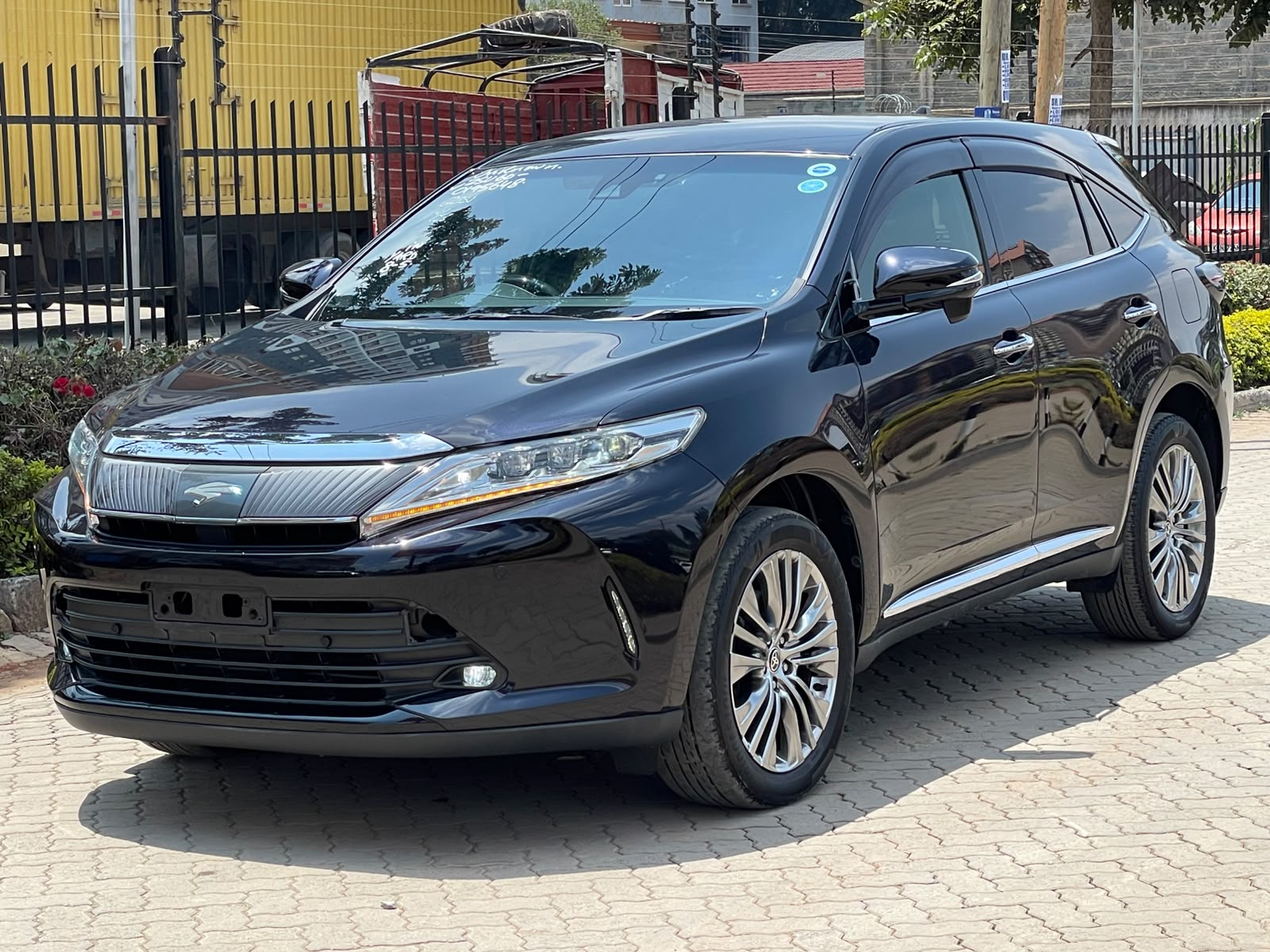
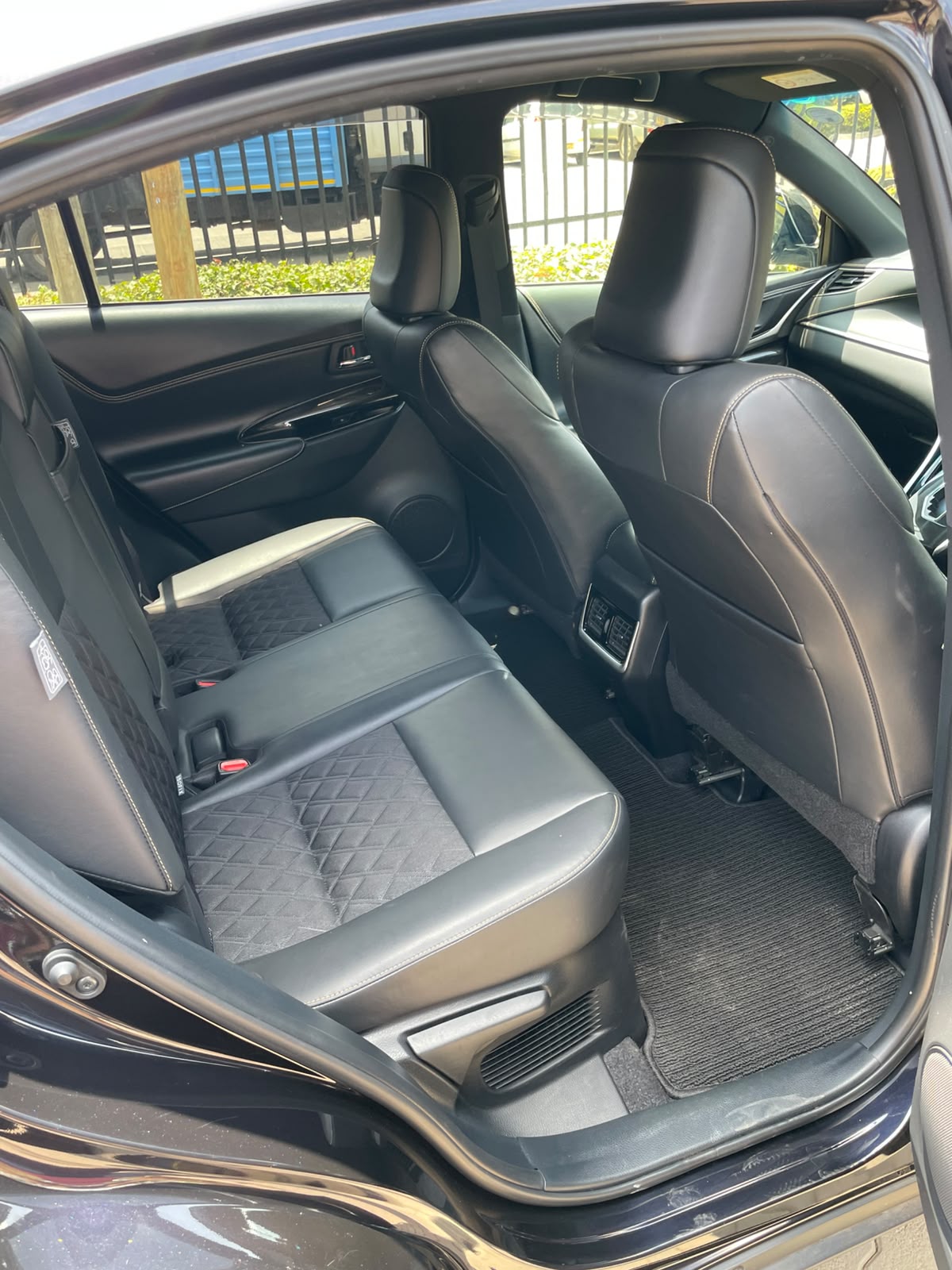
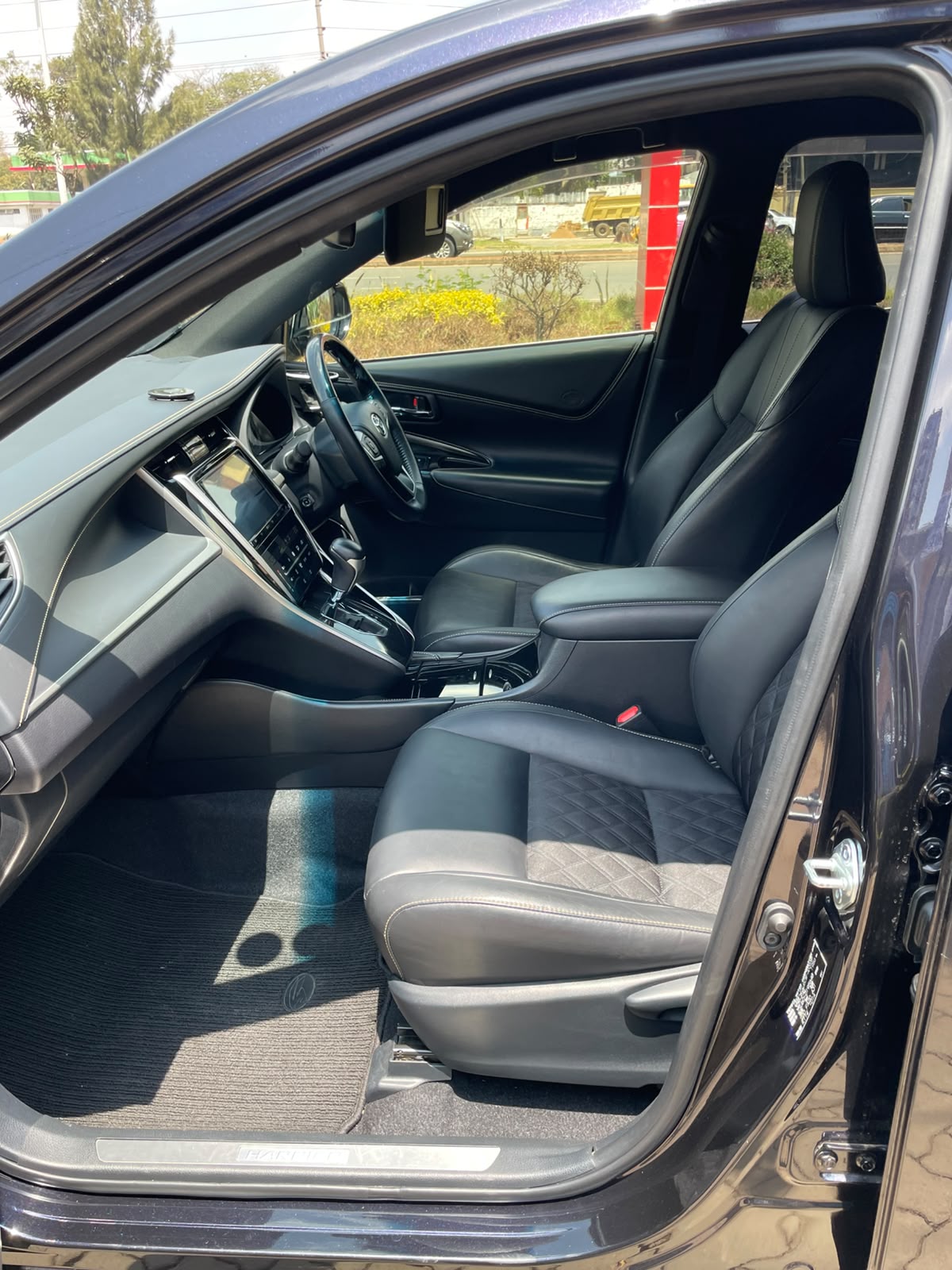
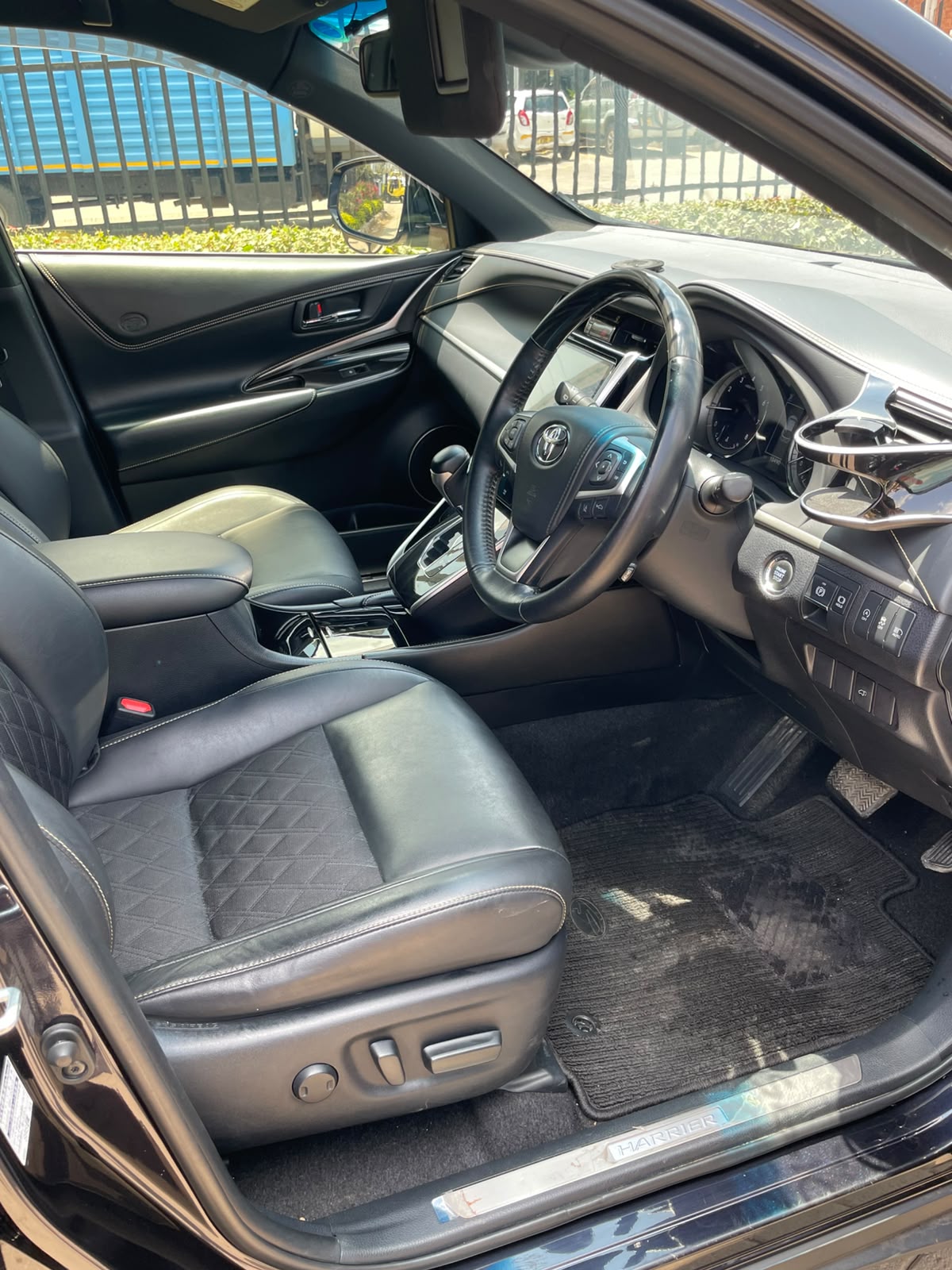
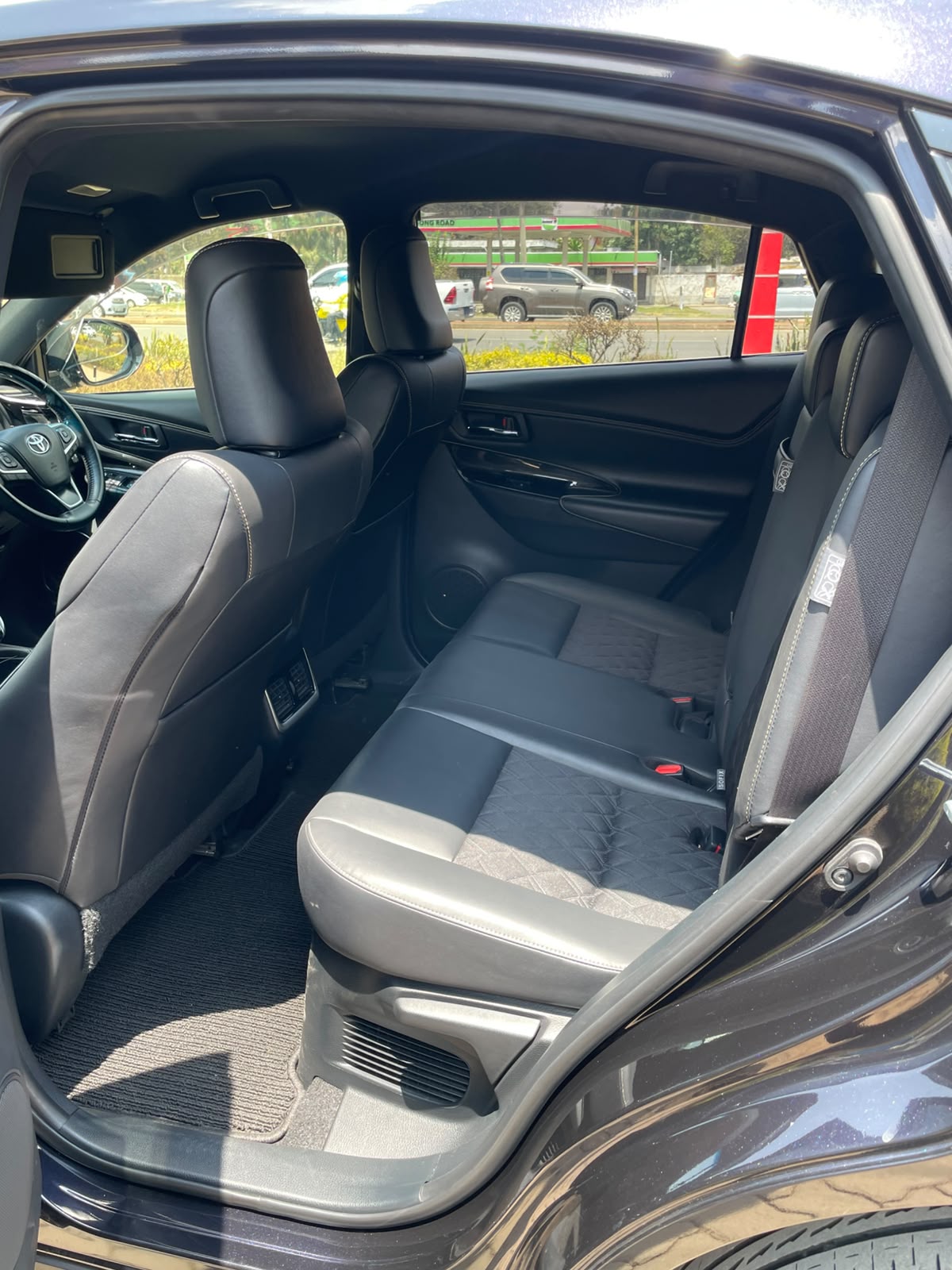
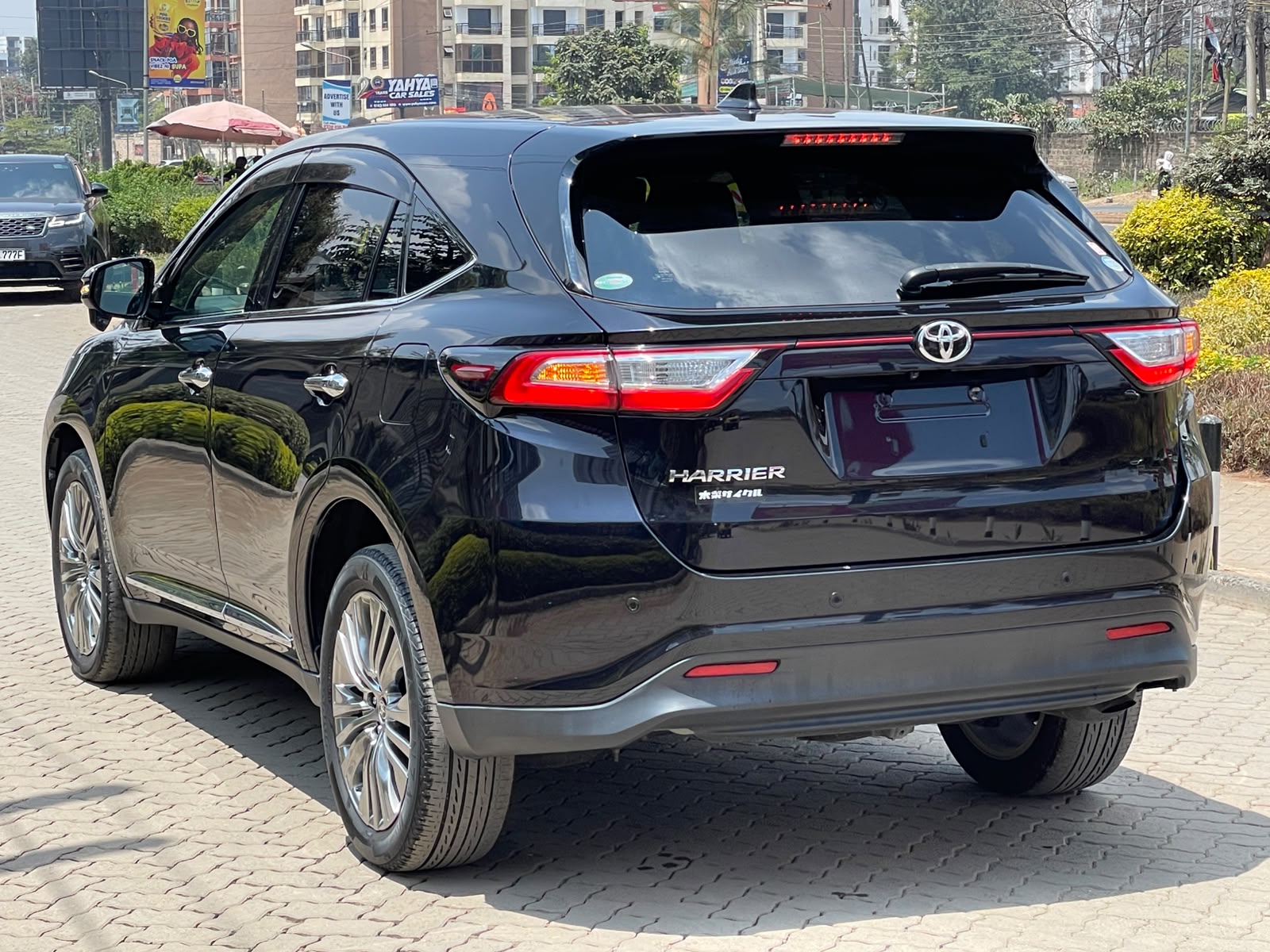
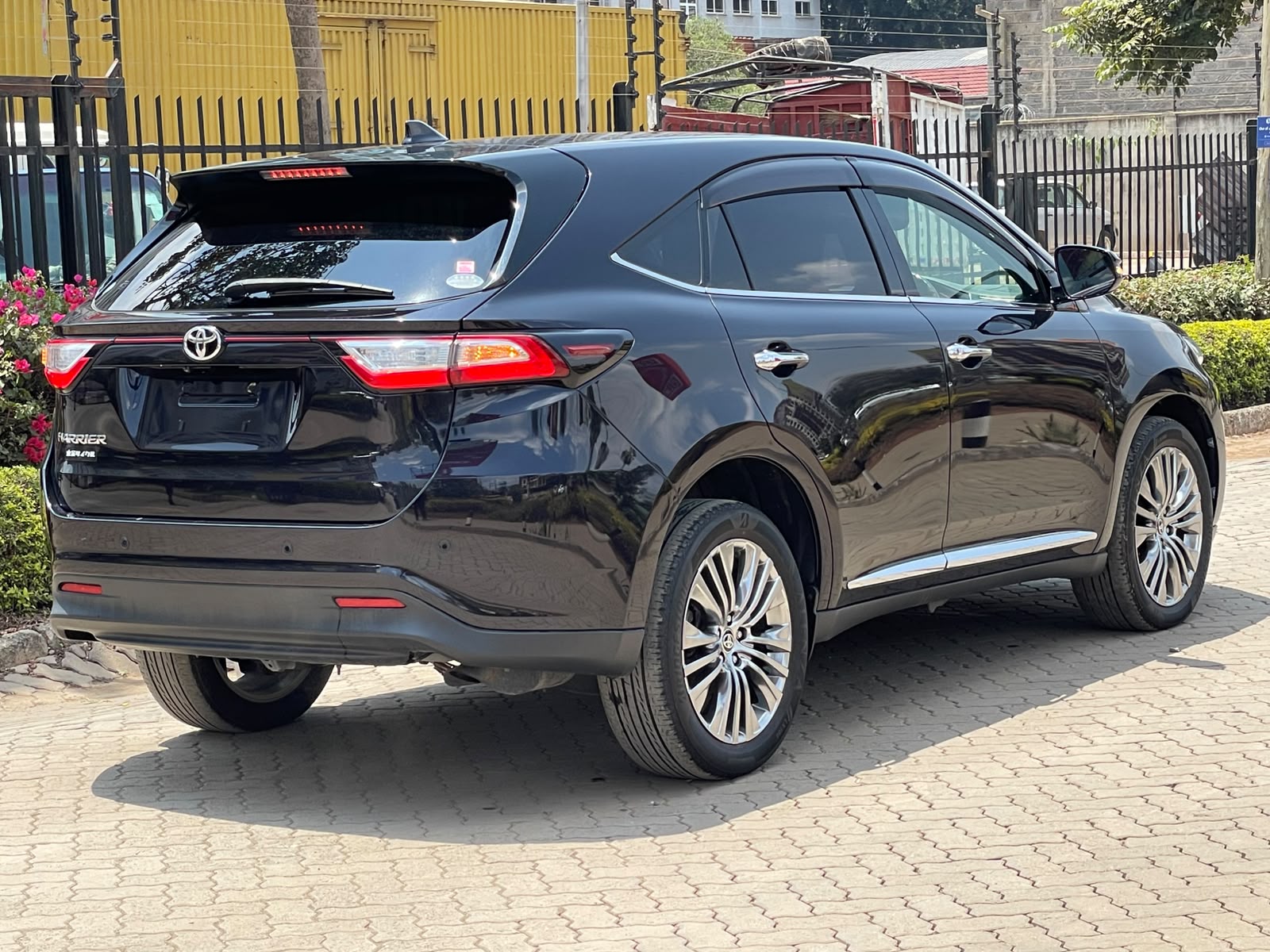
The Harrier has always occupied a strange, deliberate space in Toyota's lineup, styled and priced like a Lexus, badged like something more modest, and that tension shows up everywhere on this one. The quilted leather seats with contrast stitching aren't standard fare on a mainstream crossover; they're the kind of detail that signals this trim was built to compete with premium marques rather than just sit comfortably below them, and the diamond pattern holds up under the practical test of just how firm and supportive it feels after a long drive, not just how it photographs.
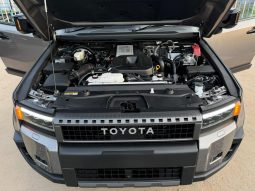
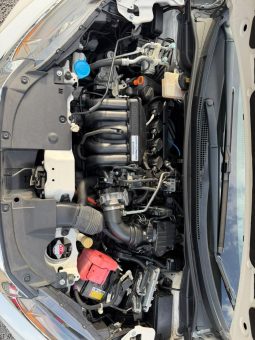
The 2.0 litre naturally aspirated four paired with all wheel drive is the sensible middle ground in the Harrier range. It won't chase the turbocharged variants on paper, but it asks less of the owner in return, more predictable maintenance, wider parts availability, and a drivetrain that doesn't punish you in Nairobi's stop start traffic the way a smaller turbo unit sometimes can. AWD adds real weather versatility here too, useful on wet tarmac or the rougher backroads a lot of these end up covering outside the city, without the fuel penalty of the six cylinder alternatives higher up the range.
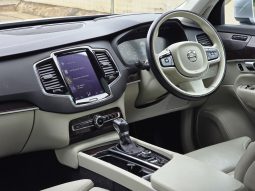
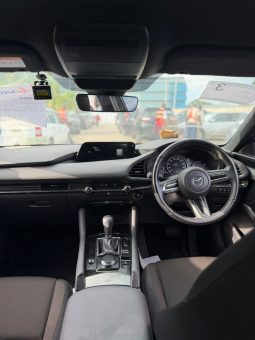
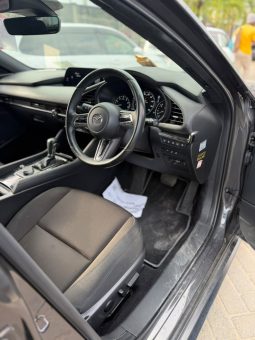
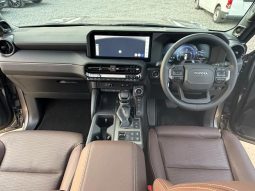
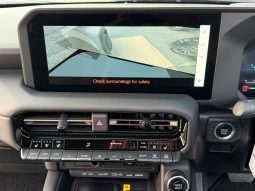
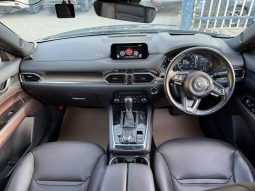
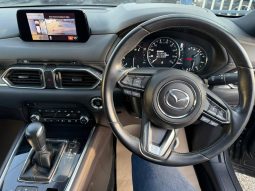
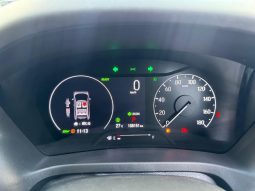
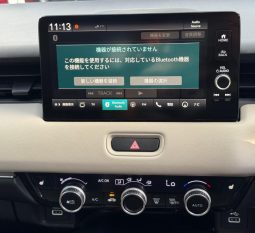
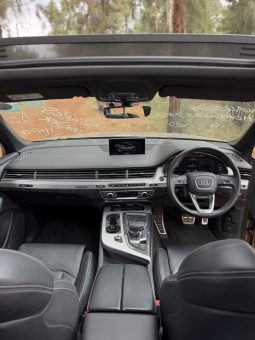
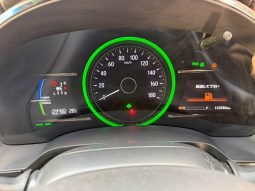
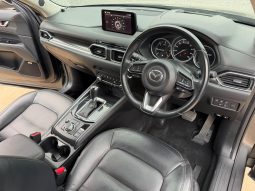
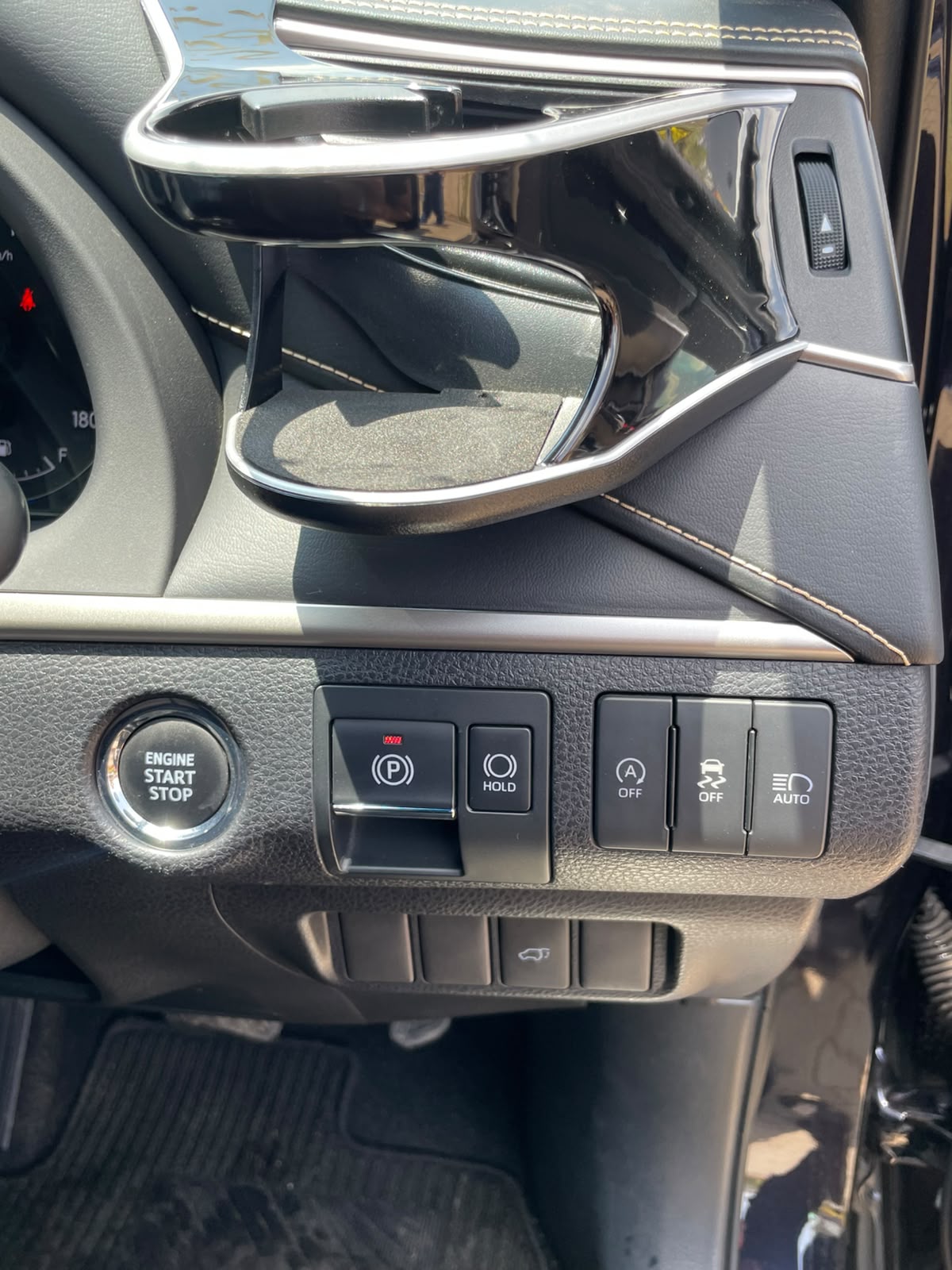
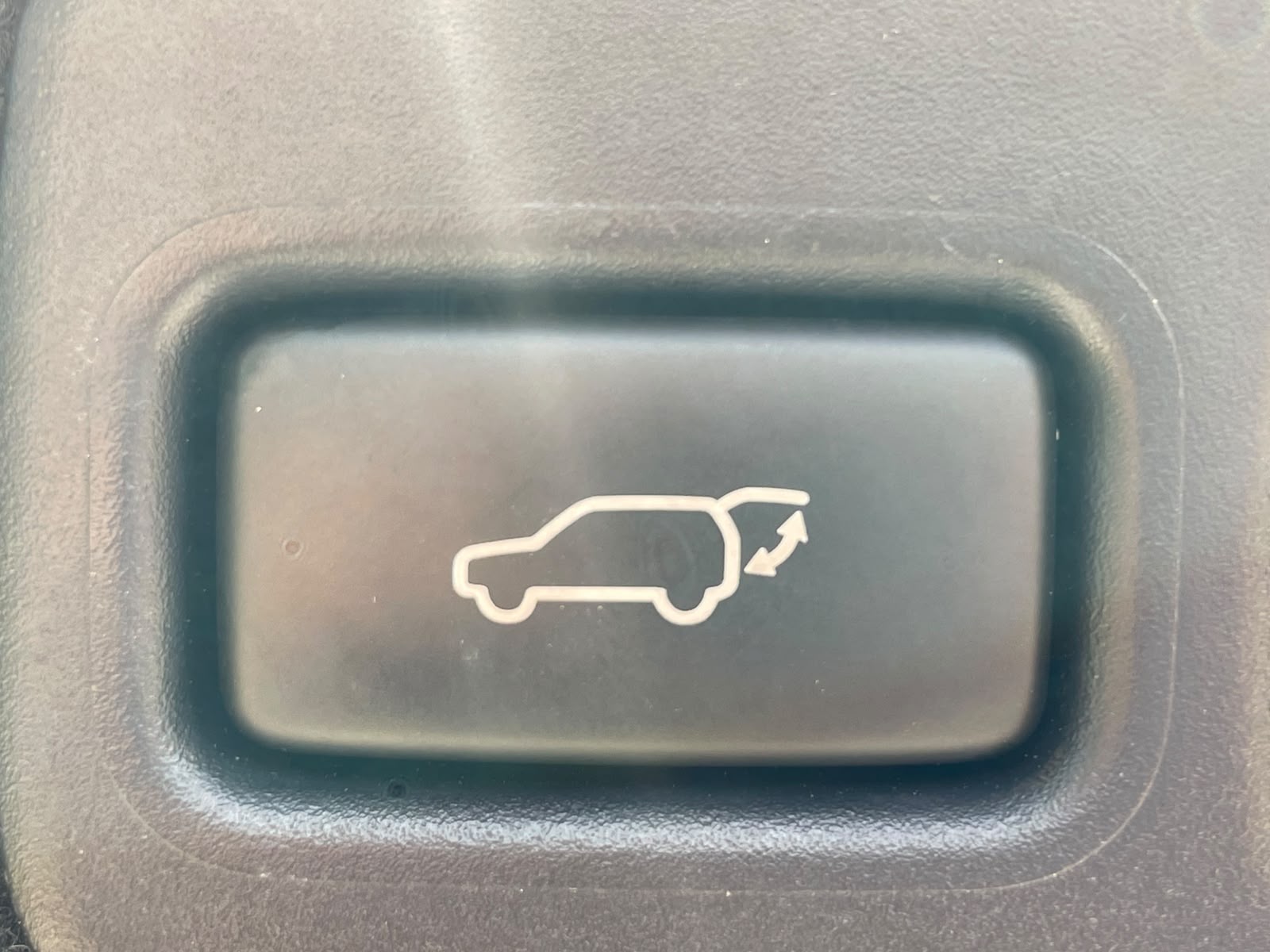
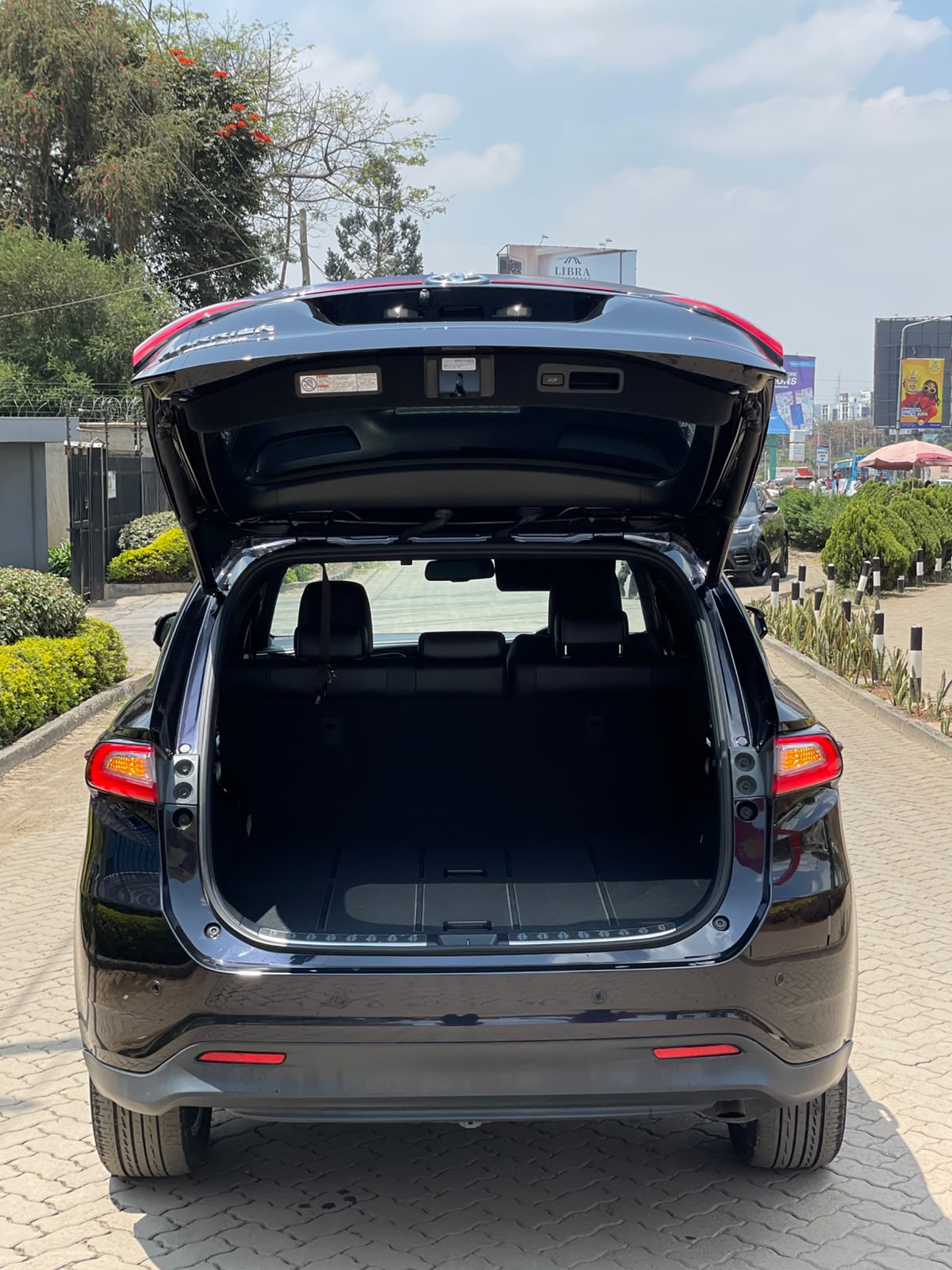
Inside, the dashboard curves toward the driver in a way that feels closer to a coupe than an SUV, with a digital instrument cluster and a floating center console that keeps the cabin feeling open rather than boxed in by switchgear. The rear cargo area tells its own story: a wide, low load lip and a tailgate opening that swallows more than the sloped roofline suggests from outside, which matters more once you're actually trying to load groceries or luggage than any spec sheet number does.
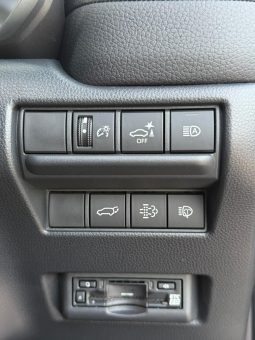
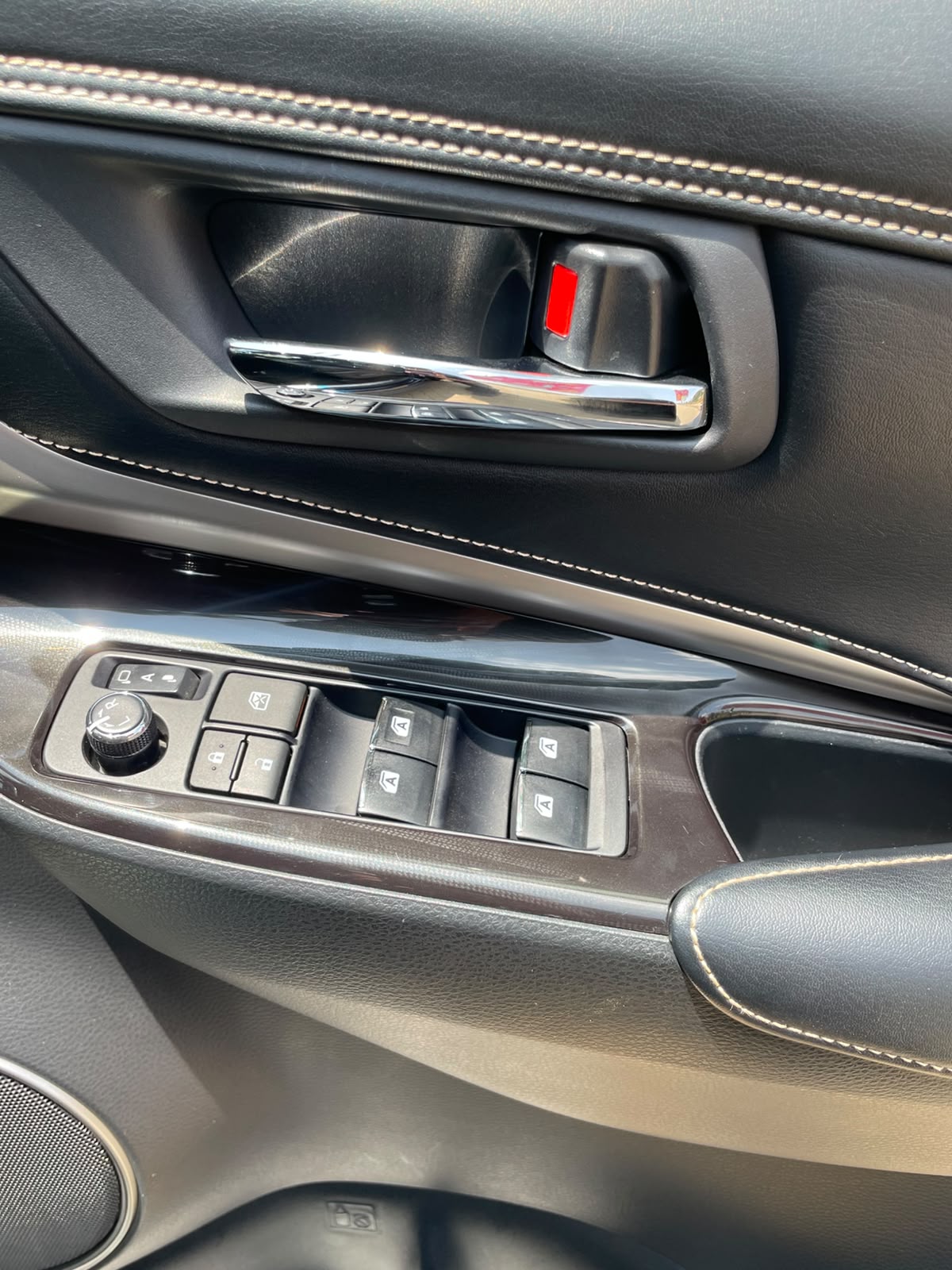
What separates this generation Harrier from the crossovers competing against it is that Toyota didn't cut corners to hit a price point, the switchgear, the seat stitching, even the door pull design all carry the same attention you'd expect from a car wearing a Lexus badge, because for a long stretch of its development, it very nearly was one.